



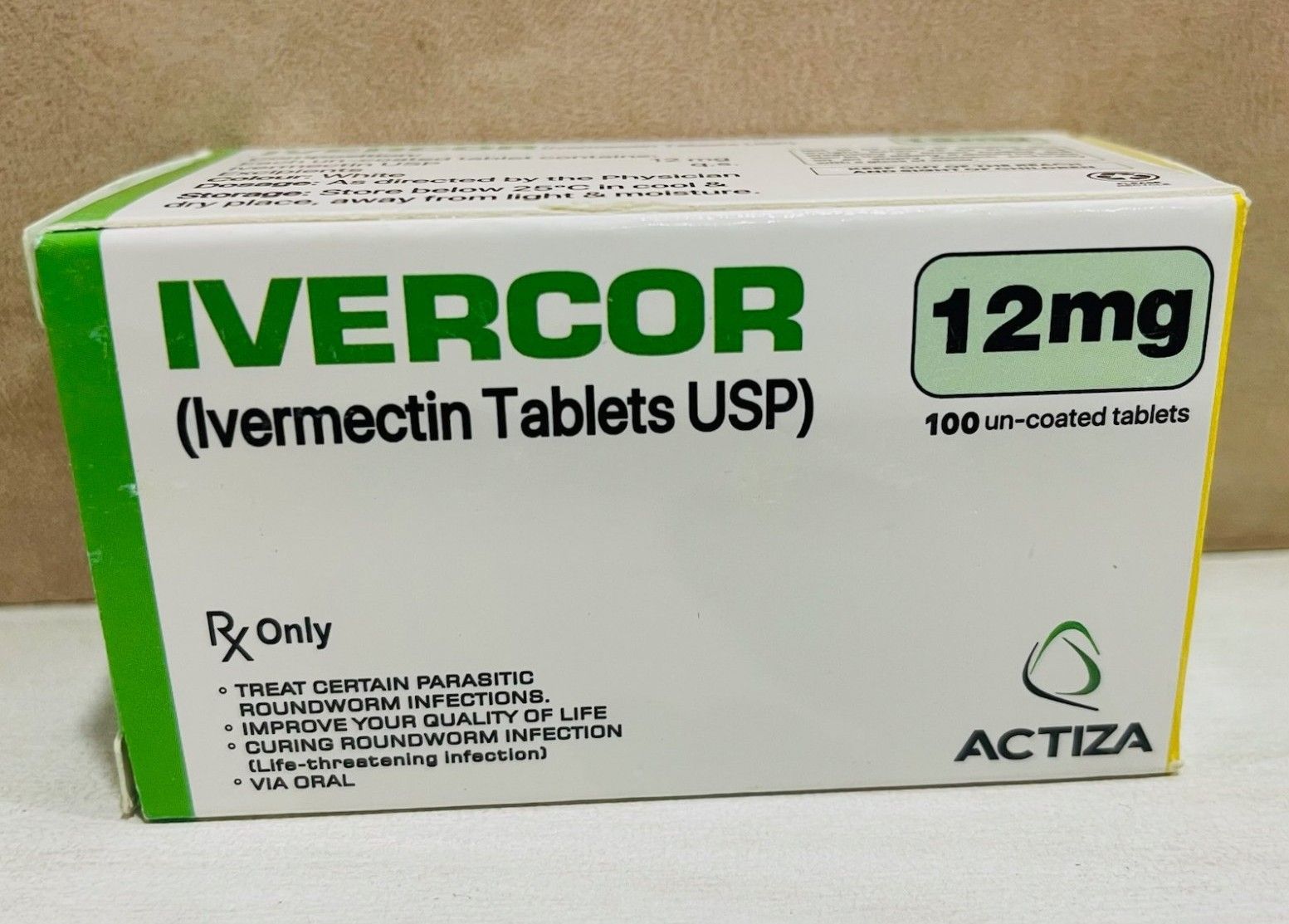
Ivermectin 12 Mg (Ivercor)
StromectolIvermectin
$0.80/ tablet
$2.00Save 60%
Join 0 customers who save up to 90% on their medications. High-quality products, delivered to your door.
Same quality, fraction of the price.
Eliquis® 5 mg
Original Brand
Retail Price
$230.40
per monthApixaban 5 mg
Generic Equivalent
$57.00
/ monthSave $173.40 per month
How we operate
Buying medicine online shouldn't be a black box. Here is every step your parcel goes through, and exactly what we do when something goes wrong.
4,000+ medicines in stock · Dispensing since 2019
Our in-house dispensing team inspects the medicine, the dosage and the expiry date before anything is packed. If it doesn't match your order, it doesn't ship.
Heat-sealed and tamper-evident, with no medical labels, brand names or logos on the outside. The courier can't tell what's inside either.
Confirmed orders are handed to the courier the same or next working day, and a tracking link goes to your email. Most international orders arrive in 7–15 working days.
Everything you need to know about our quality, shipping, and safety standards.
Absolutely. At Parasite Heal, patient safety is our #1 priority. We do not compromise on quality. All our medications are:
Medicines on ParasiteHeal are significantly cheaper because the pharmacy sells high-quality Indian generic medicines, which contain the same active ingredients as branded drugs but are manufactured at a fraction of the cost. India is the world's largest producer of generic pharmaceuticals, benefiting from lower manufacturing costs, government pricing regulations, and large-scale production. ParasiteHeal passes these savings directly to customers, allowing savings of up to 85% compared to branded equivalents sold in Western retail pharmacies.
Example: A branded ED pill like Viagra can cost $70-$80 per pill in the US, while its generic equivalent, Sildenafil, is available for as low as $1-$2 per pill on ParasiteHeal.
We understand that your health is personal. That is why our privacy standards go beyond just data security.
Plain Packaging: No medical labels or logos on the outside of the box.
We ship to countries like the USA, UK, Australia, Japan and Korea.
Reshipment Guarantee: If customs holds your package, we reship it for free.
It's not just about prices. It's about reliability and care.
Reviews from patients who saved money and got quality medication
“GREAT VALUE "The hydroquinone is purchase has made a difference to the hyperpigmentation. It's good value and it came within a few weeks. I've recommended this online store to other friends."”
hydroquinone
Pamela
USA
“GREAT COMPANY "I like the ease of ordering. I like the products. My only ding would be faster delivery times ... not aa deal breaker by any means ????"”
tretinoin
Sherry
US
“EXCELLENT SERVICE "I've ordered a few times from here. Every time they are courteous, helpful and professional. I will continue to use this company and recommend them to others."”
Blood Pressure
Dawn
USA